Don’t just manage people, elevate your HR strategy
Comparing Odoo and Oracle HCM
In this comparison guide, we’ll explore why Odoo can be a better choice than Oracle HCM for human resource management, especially for small to medium-sized businesses. You’ll learn how these two platforms differ in terms of cost, implementation speed, usability, and more. We will explain:

How fast each software can be implemented and used

The cost differences and value for money.

Which system offers better flexibility and customization

Which platform is easier for HR teams to adopt and use

How Odoo supports business-wide integration beyond HR

Which solution delivers a faster return on investment
What is Odoo?
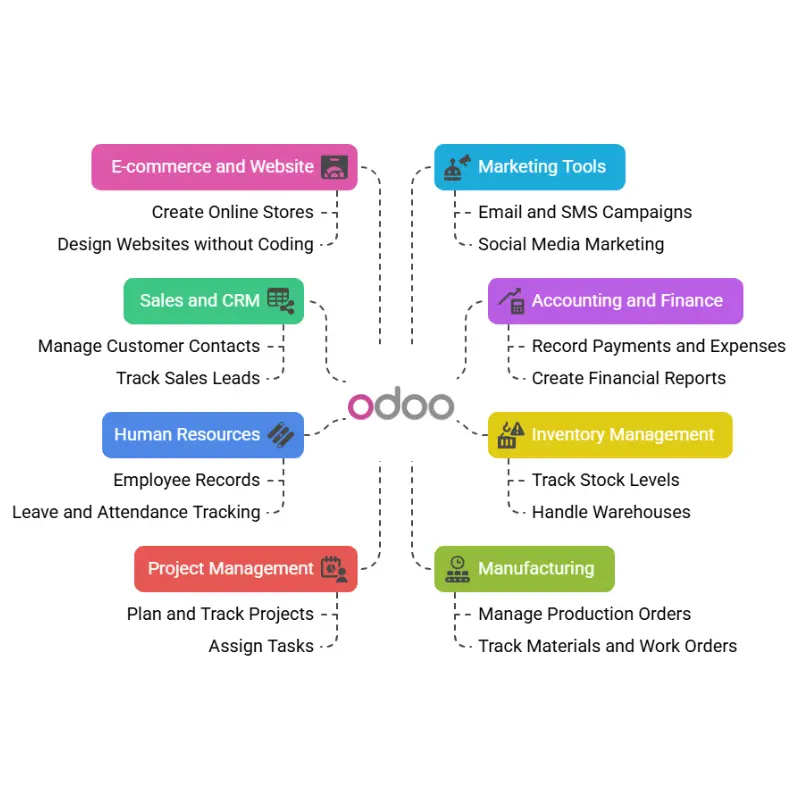
Odoo is a business management software that helps companies run their daily tasks in one place. It is known as an ERP (Enterprise Resource Planning) system. This means it brings together different parts of a business—like sales, accounting, inventory, and more—into one easy-to-use system.
Odoo is used by many businesses around the world because it is flexible, affordable, and can be used by small, medium, or large companies. It is available in two main versions:
Odoo Community (free and open-source)
Odoo Enterprise (paid, with more features and support)
What is Oracle?
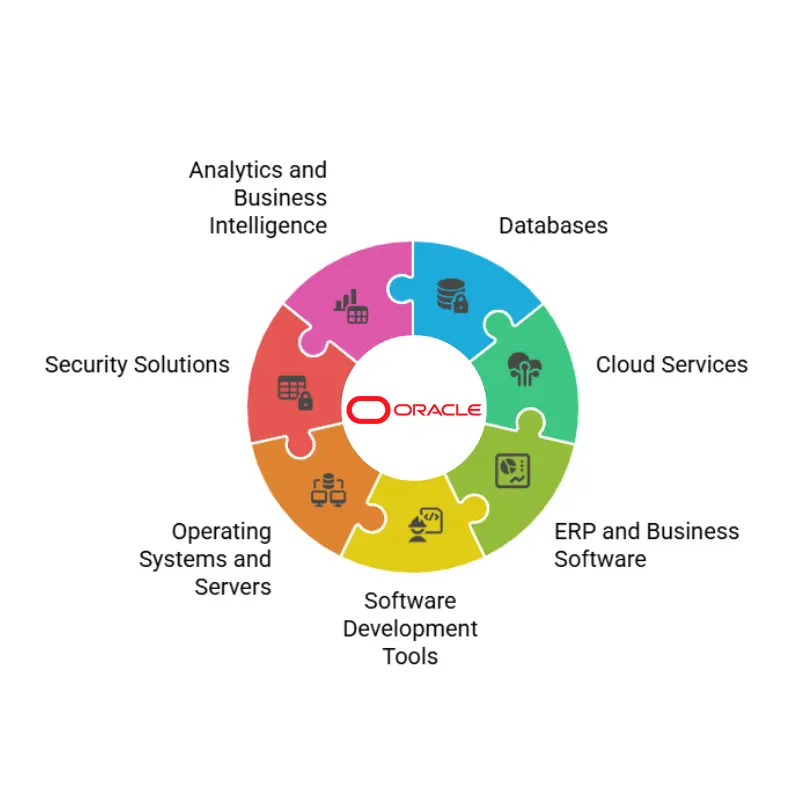
Oracle is a large technology company that provides software, hardware, and cloud services for businesses. It is best known for its Oracle Database, one of the most powerful and widely used database systems in the world. Businesses use Oracle to store, manage, and protect large amounts of data.
Founded in 1977, Oracle has grown into one of the biggest software companies globally. It offers many products that help businesses run better, especially in areas like data management, cloud computing, software development, and enterprise resource planning (ERP).
Odoo vs. Oracle HCM – Features Comparison
Features
Implementation Time
Odoo
1 to 6 weeks
Oracle HCM
3 to 10 months
Why It Matters
Faster setup means quicker productivity and reduced downtime for HR teams.
Ease of Use
Very intuitive, modern UI
More complex, training required
User-friendly systems reduce training time and improve daily efficiency.
Customization
Highly customizable (open-source)
Limited customization
Allows businesses to tailor HR workflows to their unique needs.
Integration with Apps
44,000+ apps available
100+ integrations
Better integration means smoother operations across departments.
Pricing
Affordable, transparent pricing
High and often opaque costs
Lower and clear costs are essential for budgeting and ROI, especially for SMEs.
Deployment Model
Cloud and on-premise
Mostly cloud-based
More deployment options give flexibility in data control and compliance.
Target Audience
SMEs and growing businesses
Large enterprises
A better fit ensures features and pricing align with business size and needs.
Time to Value
Rapid ROI due to faster implementation
Slower ROI
Faster return on investment helps growing businesses reinvest and scale quickly.
HR App Coverage
Broad (recruitment, payroll, evaluation, etc.)
Broad but siloed
Unified tools ensure smoother HR management in one place.
Mobile Access
Full mobile access included
Requires additional setup
Efficient inventory handling reduces errors, improves order accuracy, and saves money.
Vendor Lock-in
None – open-source
High – proprietary system
Easy mobile access boosts flexibility for remote or on-the-go HR tasks.
Support Community
Large global community, strong documentation
Mostly vendor-reliant
A strong community ensures faster support and shared knowledge at lower costs.
Automation
AI + workflow automation integrated
Complex automation, more technical setup needed
Simplified automation saves time and reduces manual work without needing tech experts.
User Training
Minimal due to simplicity
Extensive training needed
Less training means quicker adoption and lower onboarding costs.
Scalability
Scales with modular apps
Scalable, but costly and rigid
Flexible scaling supports business growth without major system overhauls.
Why Odoo Better Than Oracle HCM?
Faster Implementation
Odoo’s setup is quick and efficient, often taking just a few weeks to go live, which helps businesses begin managing HR tasks without delay. In contrast, Oracle HCM can take several months to fully implement, slowing down operations and delaying productivity gains for HR teams and the overall organization.
Lower Cost
Odoo provides transparent and affordable pricing, making it highly suitable for small and medium businesses. Its open-source nature reduces software costs significantly. On the other hand, Oracle HCM involves high licensing fees and expensive implementation, which may not be ideal for companies with limited budgets.
Customizability
Because Odoo is open-source, it allows deep customization through thousands of available modules. Businesses can easily adapt the system to fit their specific HR workflows. Oracle HCM, however, is more rigid and any custom changes often require professional assistance, making adjustments slower and more costly.
Faster ROI:
With its low costs and fast deployment, Odoo lets businesses start seeing benefits and improved efficiency quickly. Oracle HCM takes longer to show returns due to its higher costs and lengthy implementation process, making the investment slower to pay off in practical business value.
Ease of Use
Odoo has a modern and user-friendly interface that most employees can navigate with little to no training. This increases adoption and everyday efficiency. Oracle HCM tends to be more complex, which means users often need extensive training before they can effectively use the platform.
All-in-One Platform
Odoo is more than just an HR tool—it includes apps for accounting, sales, inventory, CRM, and more, all integrated under one system. Oracle HCM mainly focuses on HR tasks, and while powerful, it does not natively offer the same breadth of cross-functional business tools as Odoo does.
No Vendor Lock-in
Odoo’s open-source structure gives users full control over the software, allowing flexibility in customization and hosting. Oracle HCM is a proprietary system, meaning users are locked into Oracle’s ecosystem, which can limit adaptability and increase long-term dependency on the vendor.
Our Next Comparison Page