What was once manual madness is now digital efficiency
Depth Comparison between Odoo and Oracle Micros
Before modern POS systems emerged, the retail and restaurant industries depended on manual processes, which caused delays, inefficiencies, and poor customer insights. The introduction of advanced POS systems changed everything—streamlining transactions, offering valuable business data, and improving customer satisfaction.
This page presents a detailed comparison between Odoo and Oracle Micros, two major POS solutions, to showcase their key features and strengths.

How modern POS systems improved outdated manual operations

A brief intro to both platforms and their focus areas

Side-by-side comparison of 15 essential business features

How each feature directly impacts business performance

Key reasons Odoo offers more flexibility, speed, and value

Summary of which businesses should choose Odoo over Oracle Micros
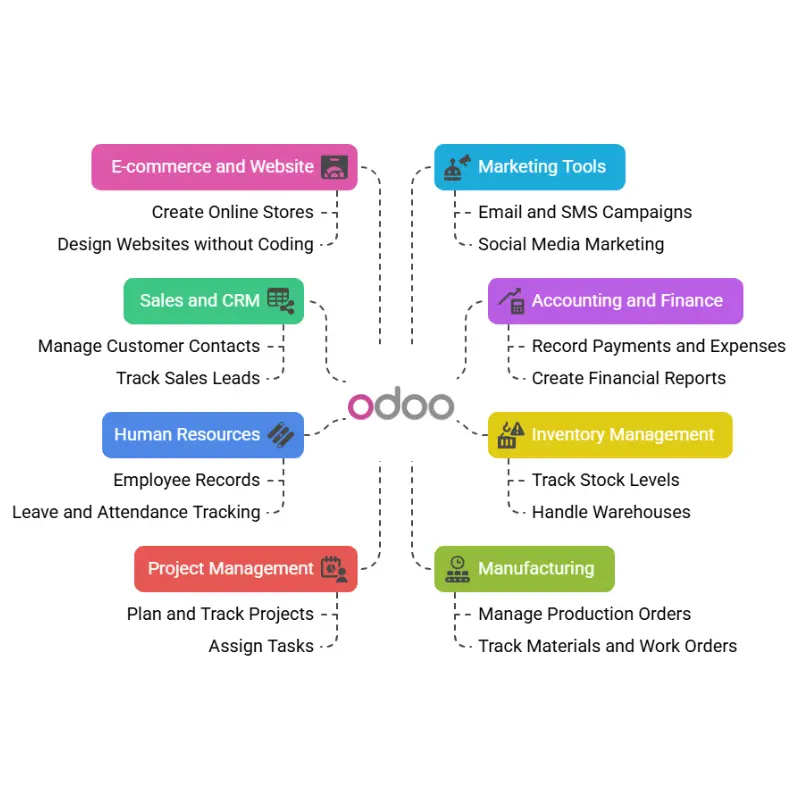
What is Odoo?
Odoo is a business management software that helps companies run their daily tasks in one place. It is known as an ERP (Enterprise Resource Planning) system. This means it brings together different parts of a business—like sales, accounting, inventory, and more—into one easy-to-use system.
Odoo is used by many businesses around the world because it is flexible, affordable, and can be used by small, medium, or large companies. It is available in two main versions:
Odoo Community (free and open-source)
Odoo Enterprise (paid, with more features and support)
What is Oracle?
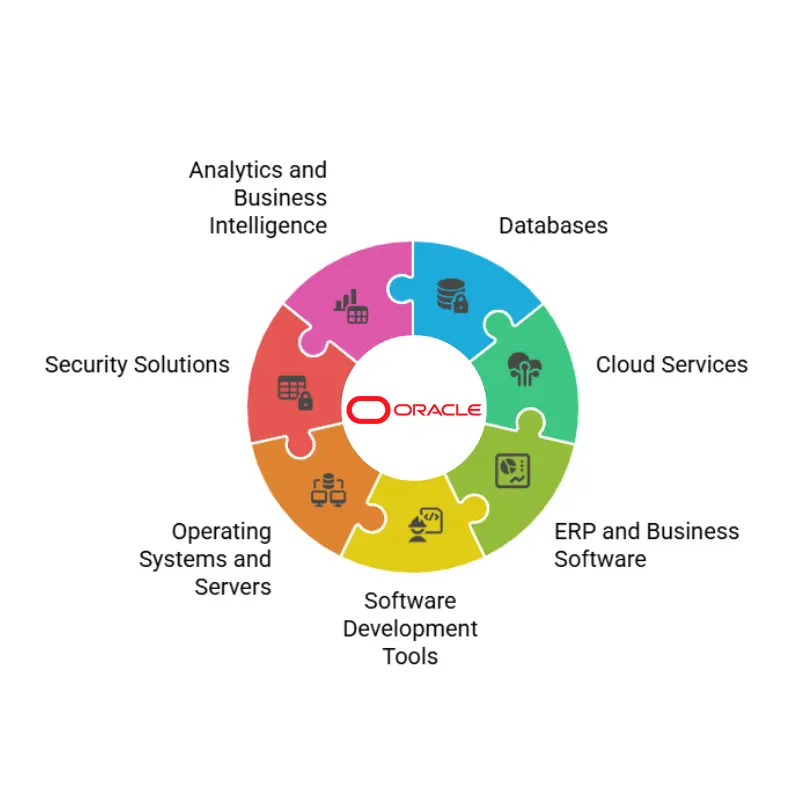
Oracle is a large technology company that provides software, hardware, and cloud services for businesses. It is best known for its Oracle Database, one of the most powerful and widely used database systems in the world. Businesses use Oracle to store, manage, and protect large amounts of data.
Founded in 1977, Oracle has grown into one of the biggest software companies globally. It offers many products that help businesses run better, especially in areas like data management, cloud computing, software development, and enterprise resource planning (ERP).
Odoo vs. Oracle Micros – Simple Comparison Table
Features
Deployment Time
Odoo
1 to 6 weeks
NetSuite
3 to 10 months
Why It Matters
Faster setup means businesses can go live quickly, reducing downtime and costs.
Payment Options
Cash, cards, mobile payments, QR, NFC, gift cards, multi-currency
Similar options; limited currency rounding support
Diverse options improve customer convenience and allow global operations.
Invoicing Flexibility
Supports delayed billing, subscriptions, cross-session sales
Limited; lacks cross-session sales
Enables flexible business models like memberships and repeat billing.
Accounting Integration
Fully integrated, compound tax, eco-tax, real-time consolidation
Integrated but lacks real-time consolidation
Real-time syncing saves time and reduces errors in financial reporting.
POS Customization
Modular, open-source, highly customizable
Proprietary system with limited customization
Custom workflows boost efficiency and align with unique business needs.
Restaurant Features
Floor plan, kitchen display, table transfers, bar tabs, online booking
Floor plan, table transfers; lacks kitchen display/bar tab features
Advanced features improve service speed and coordination in busy environments.
Inventory Management
Real-time updates, warehouse prep, barcode support
Stock tracking available, lacks some warehouse functions
Keeps inventory accurate, reduces losses, and automates restocking.
Customer Loyalty Tools
Personalized campaigns, loyalty programs, segmentation
Loyalty programs available; lacks omnichannel experience
Helps retain customers and increase repeat business through targeted engagement.
Reporting & Analytics
Real-time dashboards, sales & customer analytics, customizable reports
Reporting available; limited in predictive analytics
Informed decisions require accessible, real-time, and detailed data.
App Ecosystem
44,000+ apps available
About 50 integrated apps
More apps mean more flexibility to scale and adapt as business needs change.
E-commerce Integration
Fully integrated with POS and backend
Not natively integrated
Online and in-store sales unify into one system, simplifying operations.
Pricing Model
Free plan available; pay for extra apps
Paid plans only; starts at $55/month
Lower upfront and operating costs make it more affordable for small businesses.
Setup & Usability Score
Setup: 8.9/10, Usability: 8.6/10
Setup: 8.0/10, Usability: 8.0/10
Easier setup and use reduces training time and staff resistance.
Support Quality
Rated 7.2/10
Rated 6.3/10
Good support ensures quick problem resolution and smoother day-to-day use.
Ideal Business Type
SMBs and growing businesses needing flexibility
Larger enterprises in hospitality & retail
Odoo adapts to growth, while Oracle Micros may be too rigid or expensive to scale.
Why Odoo Better Than Oracle HCM?
Faster Implementation
Odoo’s setup is quick and efficient, often taking just a few weeks to go live, which helps businesses begin managing HR tasks without delay. In contrast, Oracle HCM can take several months to fully implement, slowing down operations and delaying productivity gains for HR teams and the overall organization.
Lower Cost
Odoo provides transparent and affordable pricing, making it highly suitable for small and medium businesses. Its open-source nature reduces software costs significantly. On the other hand, Oracle HCM involves high licensing fees and expensive implementation, which may not be ideal for companies with limited budgets.
Customizability
Because Odoo is open-source, it allows deep customization through thousands of available modules. Businesses can easily adapt the system to fit their specific HR workflows. Oracle HCM, however, is more rigid and any custom changes often require professional assistance, making adjustments slower and more costly.
Faster ROI:
With its low costs and fast deployment, Odoo lets businesses start seeing benefits and improved efficiency quickly. Oracle HCM takes longer to show returns due to its higher costs and lengthy implementation process, making the investment slower to pay off in practical business value.
Ease of Use
Odoo has a modern and user-friendly interface that most employees can navigate with little to no training. This increases adoption and everyday efficiency. Oracle HCM tends to be more complex, which means users often need extensive training before they can effectively use the platform.
All-in-One Platform
Odoo is more than just an HR tool—it includes apps for accounting, sales, inventory, CRM, and more, all integrated under one system. Oracle HCM mainly focuses on HR tasks, and while powerful, it does not natively offer the same breadth of cross-functional business tools as Odoo does.
No Vendor Lock-in
Odoo’s open-source structure gives users full control over the software, allowing flexibility in customization and hosting. Oracle HCM is a proprietary system, meaning users are locked into Oracle’s ecosystem, which can limit adaptability and increase long-term dependency on the vendor.
Our Next Comparison Page